
Takopi no Genzai is a short manga that leaves a long-lasting emotional scar. Written by Taizan 5, the story explores a heartbreaking paradox: how pure intentions, when paired with misunderstanding and emotional immaturity, can cause irreversible harm. At the center of this tragedy is Takopi—a creature defined by innocence—whose attempts to help only deepen the suffering around him.
Innocence Without Understanding
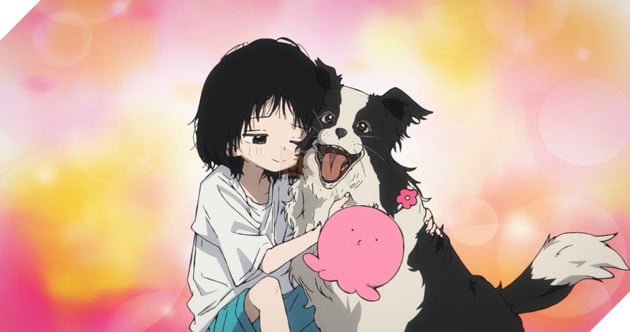
Takopi arrives on Earth from the Happy Planet with a simple mission: make people smile. His worldview is built on optimism, simplicity, and the belief that happiness can be restored through quick solutions. When he meets Shizuka Kuze, a quiet elementary school girl enduring relentless bullying and emotional neglect, Takopi believes he has found someone he can save.
However, Takopi’s innocence is fundamentally flawed. He lacks any understanding of human psychology, trauma, or moral responsibility. This gap between intention and comprehension becomes the driving force behind the manga’s tragedy.
Good Intentions, Devastating Outcomes
One of the most unsettling aspects of Takopi no Genzai is how often Takopi’s attempts to help result in unintended consequences. His “Happy Gadgets,” meant to erase pain or fix problems, fail to address the root causes of Shizuka’s suffering. Instead, they create new problems—escalating emotional damage rather than resolving it.
This theme reflects a harsh reality: wanting to help is not the same as knowing how to help. Takopi’s actions highlight how intervention without empathy or understanding can be dangerous, especially when dealing with vulnerable individuals.
The Weight of Emotional Naivety
Takopi’s innocence is not portrayed as heroic; it is portrayed as tragic. He cannot grasp the complexity of abuse, loneliness, or despair. Each failure weighs heavily on him, yet he continues forward, convinced that trying harder will eventually fix everything.
This emotional naivety mirrors real-world situations where adults, institutions, or even friends dismiss deep psychological wounds with surface-level solutions. The manga forces readers to confront how often suffering is misunderstood rather than addressed.
Shizuka as a Silent Victim
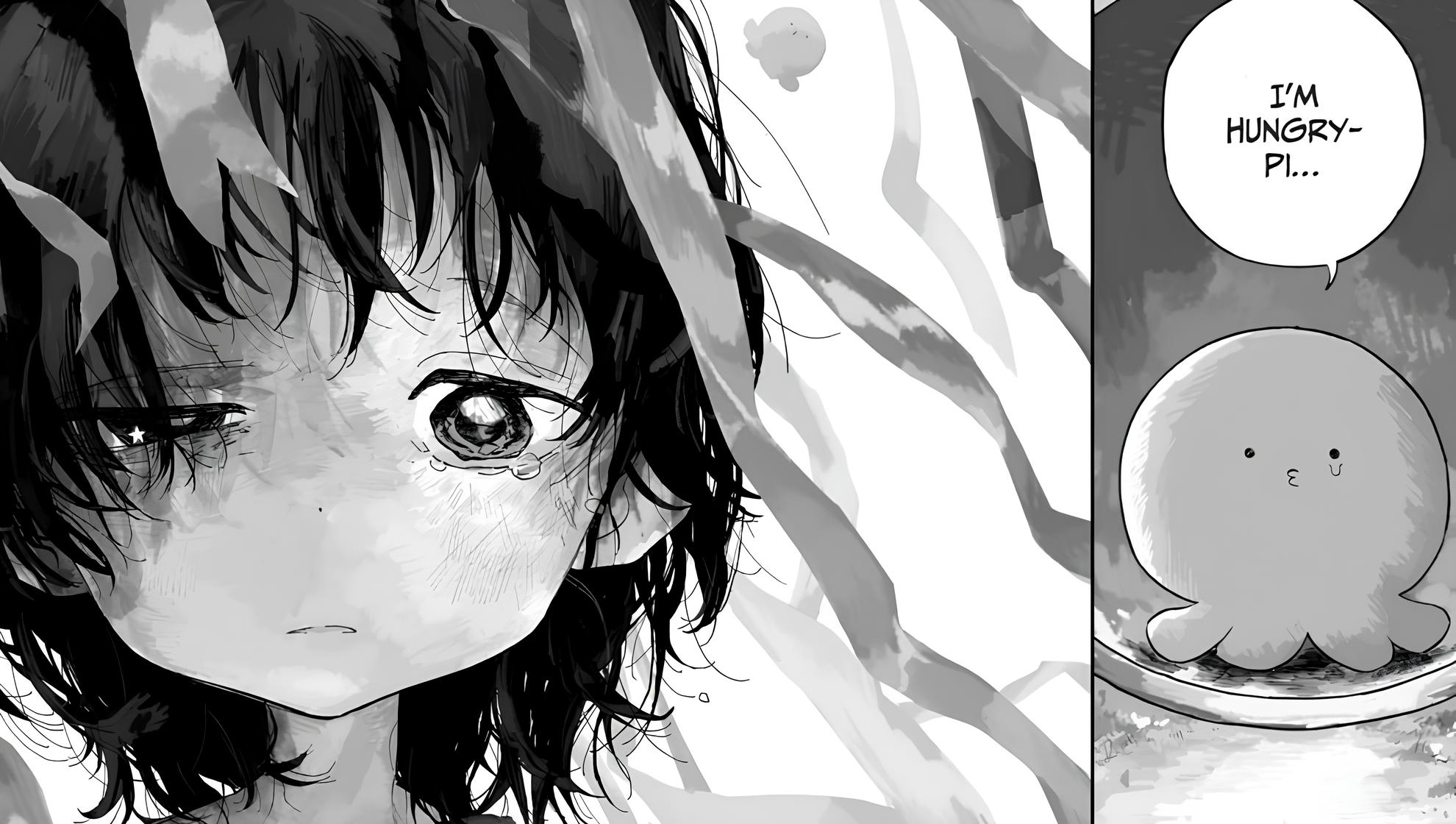
While Takopi is the catalyst, Shizuka is the emotional core of the story. Her silence, withdrawal, and emotional numbness are portrayed with devastating realism. She does not ask to be saved, nor does she believe that things can improve. Takopi’s presence offers hope—but also pressure.
The tragedy lies in how Shizuka becomes dependent on Takopi’s promises of happiness, only to be repeatedly disappointed. This dynamic underscores the danger of offering hope without the ability to sustain it.
A Story That Refuses Easy Morals
Takopi no Genzai does not assign clear blame. Takopi is not malicious, and Shizuka is not passive by choice. Instead, the manga presents a world shaped by misunderstanding, silence, and emotional neglect. Its message is subtle but powerful: kindness without comprehension can be just as harmful as cruelty.
The short length of the manga intensifies its impact. There is little time to process events before consequences unfold, mirroring how real-life trauma often escalates without warning or resolution.
Why This Story Still Resonates
Years after its release, Takopi no Genzai continues to resonate because it challenges comforting narratives about goodness and morality. It asks difficult questions: Is wanting to help enough? Can innocence excuse harm? What responsibility do we carry when our actions affect others?
By refusing to offer simple answers, the manga leaves readers unsettled—but deeply reflective.
👉 If you’re a true Takopi fan and want to celebrate the beauty and mystery of Takopi, explore officially inspired apparel, collectibles, and fan-favorite designs at: takopi.store. Discover items that let you carry the spirit of Takopibeyond the game and into your everyday life.
